

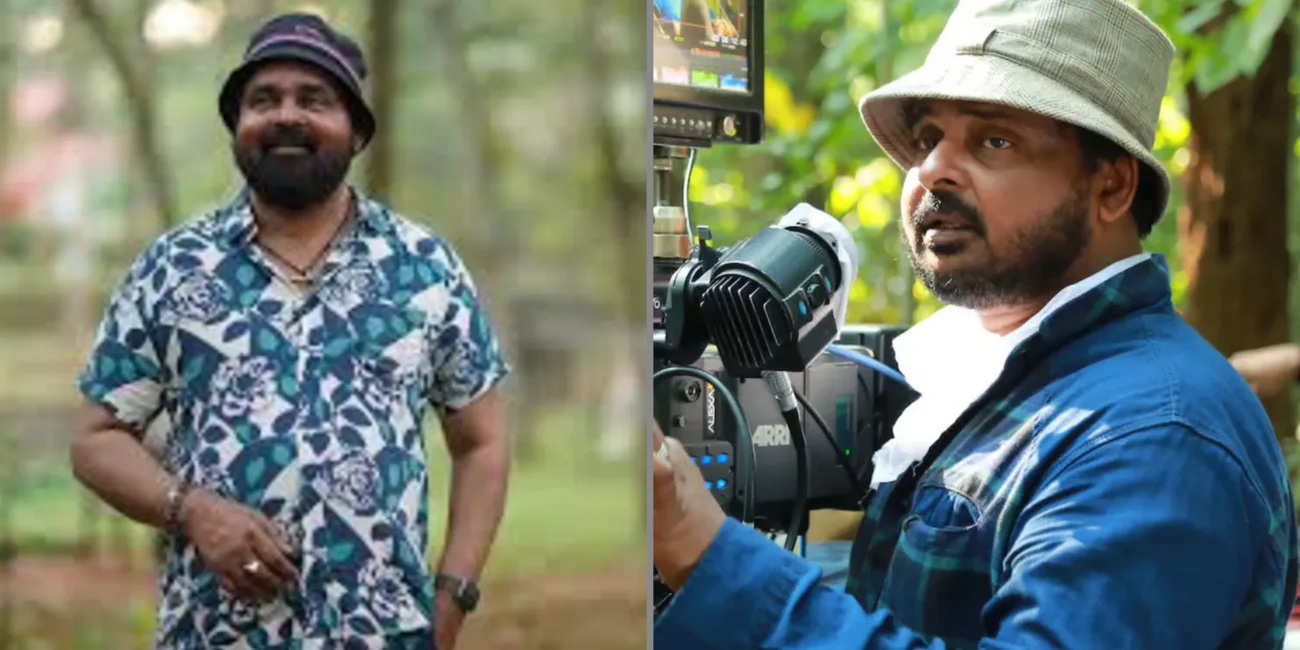
Malayalam cinema is mourning one of its most admired image-makers. Cinematographer Shaji Kumar died on Tuesday at the age of 57, industry sources confirmed. He was best known for his work on the Mohanlal blockbusters Pulimurugan, Naran and Thudarum.
His death came while he was working. Shaji Kumar was in Alappuzha shooting an upcoming film starring Dileep when he began to feel unwell at his hotel, according to reports. Press accounts said his condition improved after he was admitted to hospital and that he was able to speak normally, but that his health worsened again on Sunday night. The cause of death had not been made public at the time of the early reports.
A career built on scale and texture
Shaji Kumar built his reputation on films that demanded both scale and intimacy. Pulimurugan, the Mohanlal action film that became a landmark commercial success in Malayalam cinema, depended on his ability to shoot forest chases and close-quarters fights with equal clarity. Naran and Odiyan showcased the same command of light and mood.
His recent credits include Thudarum (2025), the Mohanlal film that reunited the actor with a loyal audience for a grounded family thriller. Other films associated with him include Pathonpatham Noottandu and Ramaleela, as well as Bandra. Two projects remain unreleased: Athimanoharam and the Suresh Gopi starrer Ottakkomban.
A career like that tends to be measured in frames audiences remember rather than credits they read. For many Malayalam viewers, his name is tied to a particular visual language: wide, confident compositions in the action films and warm, close framing in the domestic dramas.
Tributes from the industry and the state
Kerala Chief Minister V D Satheesan led the official tributes. In a post on X he said Shaji Kumar had brought “visual magic to blockbusters” through his lens, naming Thudarum, Pulimurugan and Naran.
Mohanlal, whose films formed the core of the cinematographer’s best-known work, paid tribute, as did Mammootty and Prithviraj Sukumaran. Director Jeethu Joseph, known for the Drishyam films, wrote a tribute on social media, and actors Joju George, Dileep and Sshivada also paid their respects. The FEFKA Directors’ Union confirmed the news in a statement on Tuesday.
The range of voices says something about his standing. He worked with major stars and respected directors, but the tributes also came from younger actors and colleagues who had shared sets with him. Actor Siju Wilson was among those who mourned him, and director Vysakh, who had worked closely with him, was mentioned among the collaborators remembered.
The personal loss
Shaji Kumar is survived by his wife, Smitha, and their sons, Aryan and Sooryan. Information on funeral arrangements was not part of the reports reviewed by Cinezone at the time of writing, and readers should rely on his family and industry bodies for confirmed details.
What happens to the work he leaves behind
The cinematographer was in the middle of a film shoot, which raises practical questions for the Dileep project that he was filming in Alappuzha. Producers have not publicly announced how the shoot will proceed, and it would be inappropriate to speculate. In Malayalam cinema, as elsewhere, film units tend to adjust quietly and quickly when a key technician is lost, but that is an observation about the industry, not a report on this production.
Two of his films are still to come. Athimanoharam and Ottakkomban will now reach audiences as part of his final body of work, which may lend them extra attention when they are released.
Remembering the craft
Cinematography rarely draws the same public attention as acting or direction, yet it shapes how a story is felt. Shaji Kumar’s passing prompted a wave of recollection about how much of Malayalam cinema’s recent commercial confidence rested on images that looked as expansive as the ambitions behind them.
He was 57. The messages from colleagues, from the state’s leadership and from audiences who knew him only through his frames all point in the same direction. Malayalam cinema has lost a craftsman whose work audiences recognised even when they did not know his name.


